History of Château de Villers-Bocage in Normandy

Château de Villers-Bocage in the Middle Ages
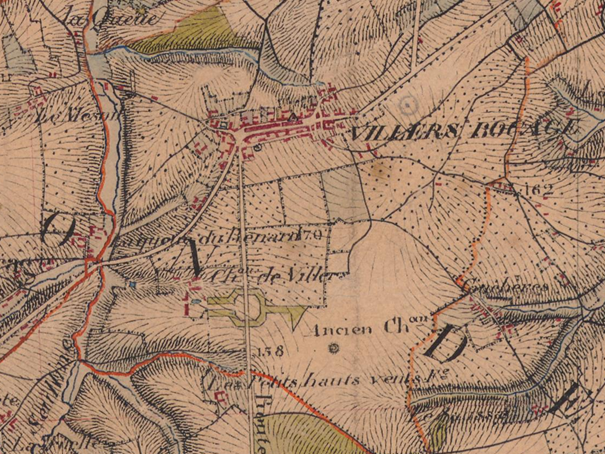
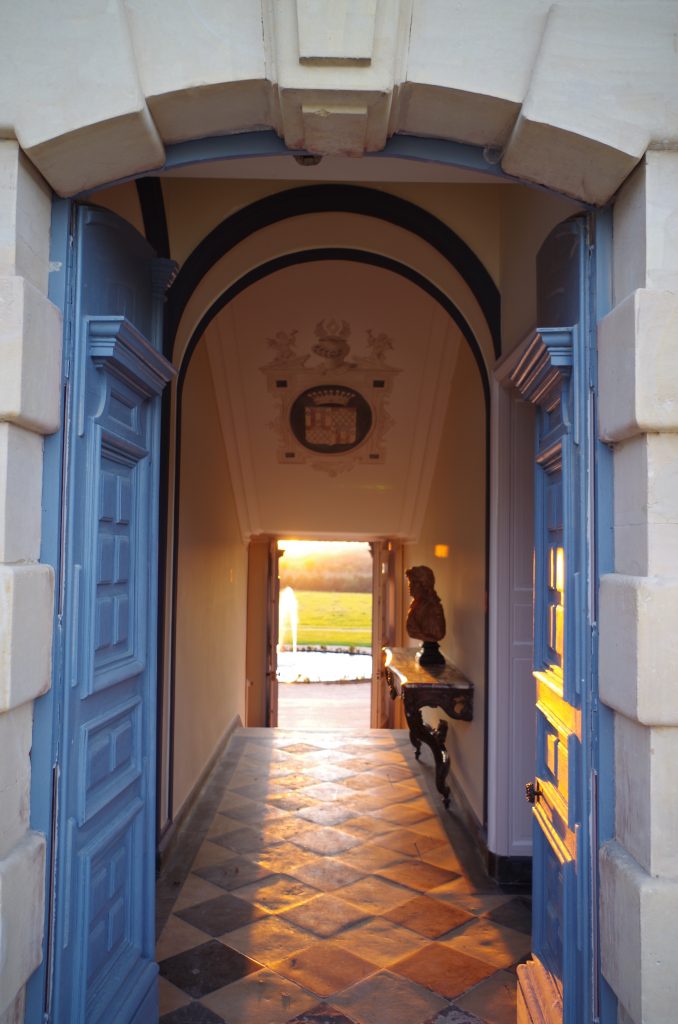
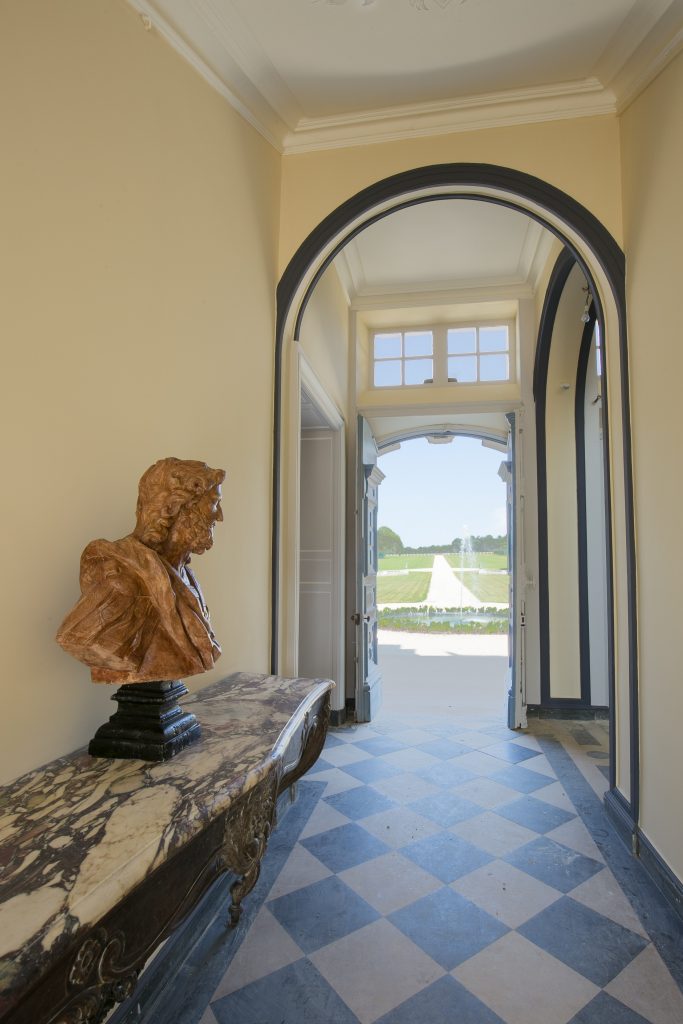
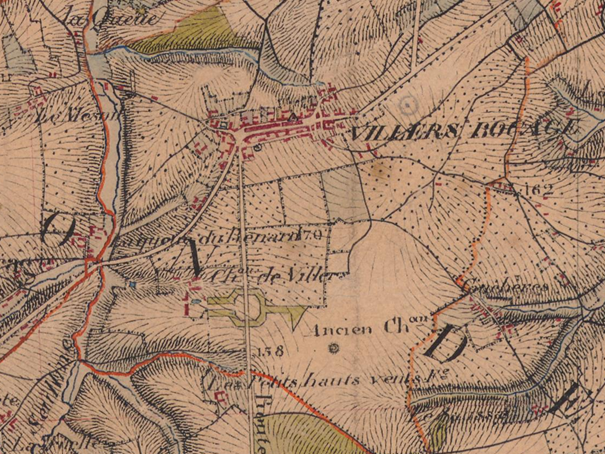
About one kilometre south of the present-day village, near the current A84 motorway, the lords of Villers owned a castle comprising a motte and bailey with several residential buildings. During the Hundred Years’ War, in the 14th century, Jeanne de Villers, heiress to the fief of Villers, married Roger Bacon, lord of Molay Littry. They had a daughter, also named Jeanne, who became the sole heiress to the family’s fief. Highly sought after, she married twice but died without children. During her lifetime she made numerous donations to religious establishments and founded the Hôtel-Dieu of Villers-Bocage in 1366, also known as the Prieuré Hospitalier de Sainte-Élisabeth, intended to shelter the poor, the sick, and pregnant women.
1637
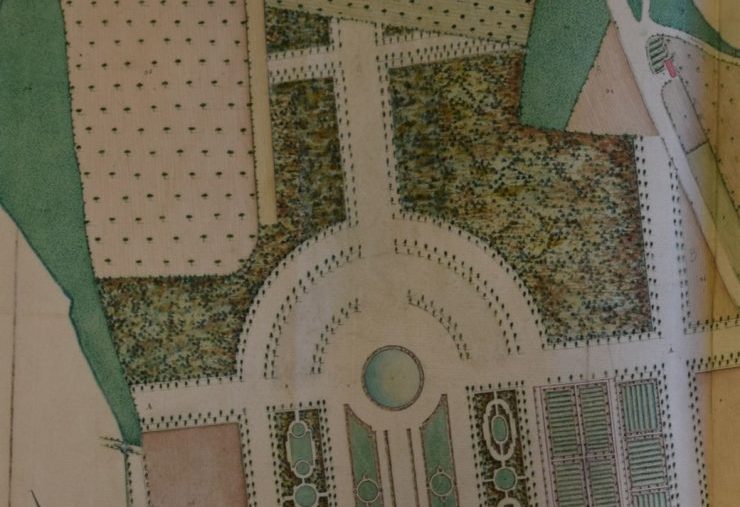
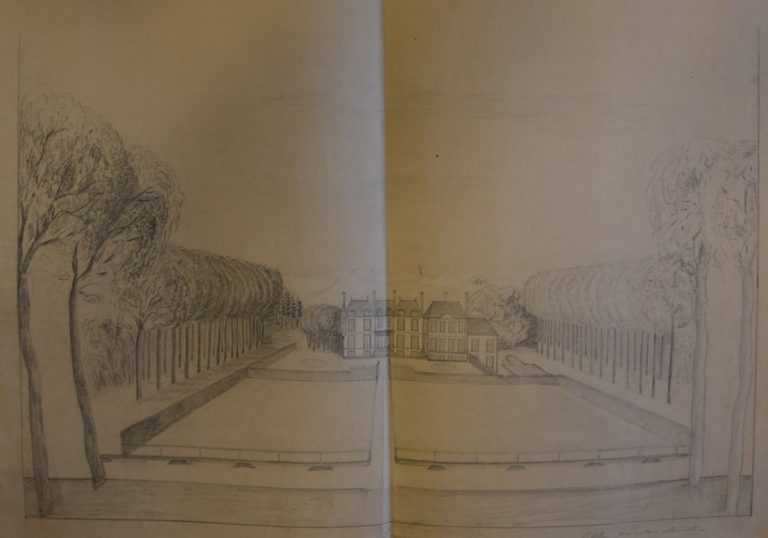
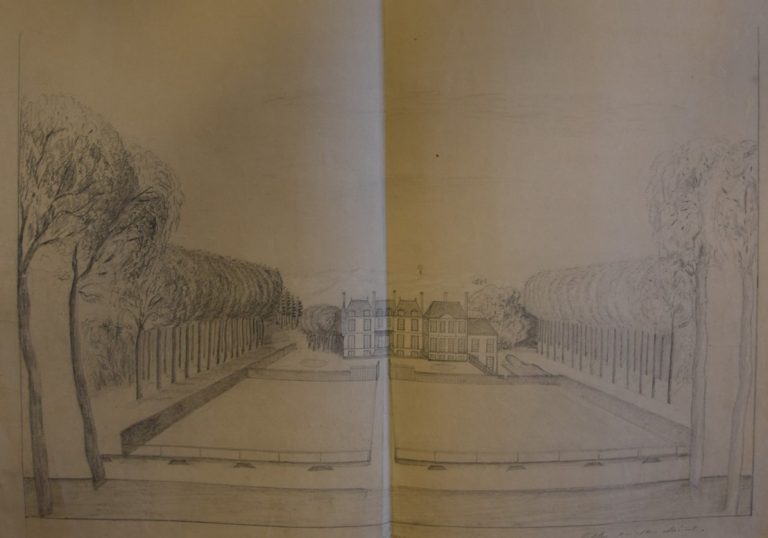
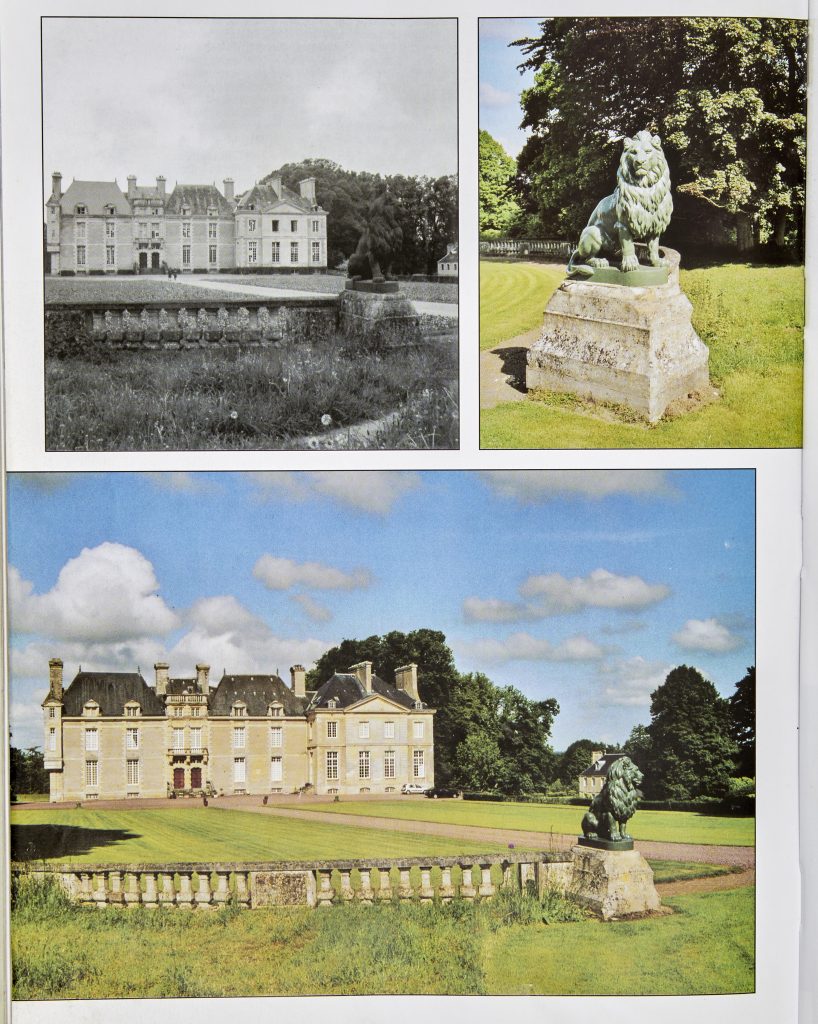
Château de Villers-Bocage was built in 1637 when the Morin family united the lands of the parishes of Saint-Martin and Saint-Germain de Villers.
In the 18th century, the château passed into the hands of the Le Vicomte family. Pierre François Le Vicomte de Blangy, Baron de Blangy, lord and patron of Villers-Bocage, Maisoncelles-Pelvey, Banville, Berville, Teillement and Fontaine-Etoupefour, also owned the Hôtel Particulier de Blangy in Caen. Upon his death, his successor was Pierre Constantin Le Vicomte, Seigneur de Blangy le Château and de Villers — Field Marshal and commander of the king’s armies in lower Normandy, born in Caen on 26 April 1722. He had a wing added to the château in 1766, and the planned symmetrical second wing never came to fruition due to the upheaval of the French Revolution. He saved his life by emigrating to England and sold the château to Pierre Jacques Meslé de Grandclos in 1792.
1777
On 2 June 1777, Joseph II, Archduke of Austria and future Emperor of the Holy Roman Empire, brother of Marie-Antoinette, stopped at Villers-Bocage during his visit to France.
He was travelling « incognito » under the alias of Count of Falkenstein. It was thanks to the unexpected warmth shown by the women of Caen that he chose Château de Villers-Bocage as a quiet place to spend the night. We invite you to discover the sequence of events through the words of a contemporary chronicle:
« On 2 June 1777, Emperor Joseph II, passing through Caen at around half past six in the evening, It passed in front of the barracks, then through the rue Saint-Jean and Notre-Dame, and took the road to Villers where he spent the night. Although he had been expected, he was not recognised until the crossroads of Saint-Pierre, where the crowd cried out “Long live the Emperor!” Du Coudray believed that the elaborate preparations made to welcome him had put Joseph II off: “Upon entering Caen, the prince noticed that great preparations had been made to receive him: the inconvenient zeal of the town’s inhabitants caused him to pass on by.” »
BEAUREPAIRE (M.E.), Journal des choses mémorables arrivée à Caen: published from manuscript notes of the 17th and 18th centuries. 1890.
This is a sketch for an unfinished portrait of Emperor Joseph II (1741–1790). He was Holy Roman Emperor from 1765 to 1790 and ruler of the Habsburg lands from 1780 to 1790. The eldest son of Empress Maria Theresa and her husband Francis I, Joseph II was the first emperor of the House of Habsburg-Lorraine. He is depicted wearing the red and white ribbon of a Knight Grand Cross of the Order of Maria Theresa (the Empire’s highest military order). He stands in a magnificent interior, with a view through an open window, a golden throne to his left, and a sculpture of the Ares Ludovisi (the God Mars) behind him — now held at the Museo Nazionale Romano, Palazzo Altemps — indicating that the painting was made in Rome.
At the château you can admire the bedroom where he slept and a copy of this portrait.
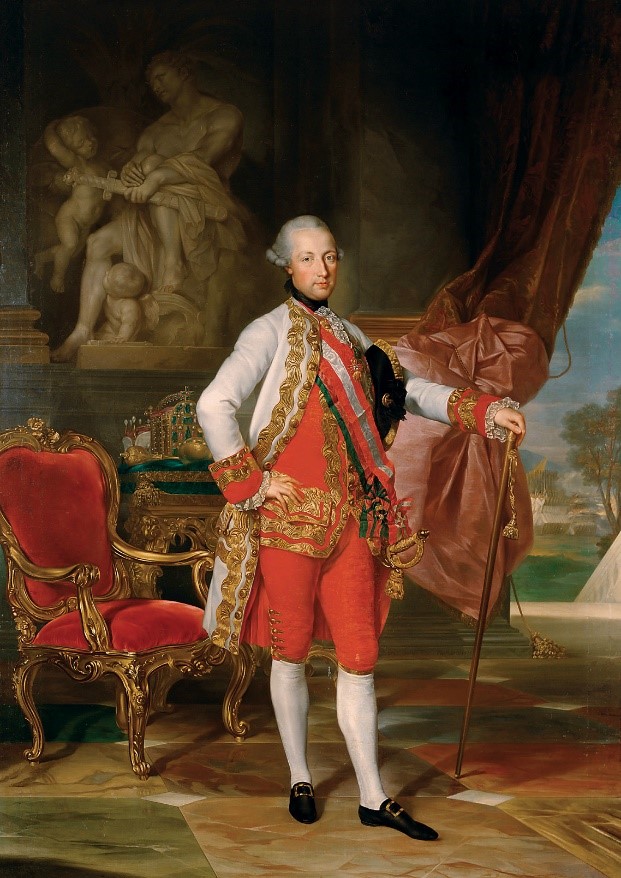
Joseph II datant de 1775, peint par Anton Von Maron (1731-1808)
1792
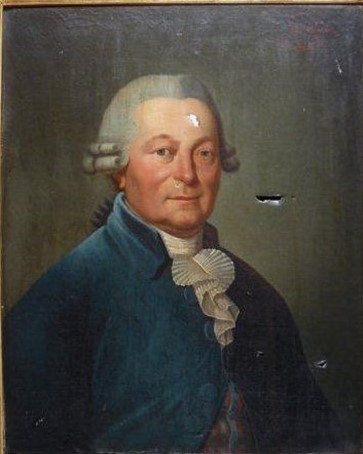
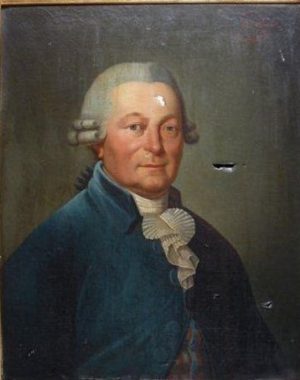
Pierre Jacques Meslé de Grandclos,
Musée d’Art et d’Histoire d’Avranches
Pierre Jacques Meslé de Grandclos
He purchased Château de Villers-Bocage from the Comte de Blancy on 9 February 1792, along with the outbuildings, 12 farms, 90 hectares of woodland and 320 hectares of meadows, for 1 million livres plus 47,000 livres for the furnishings.
Born on 4 March 1728 in Saint-Malo, the son and grandson of shipowners, Pierre Jacques became a naval ensign at the age of 13, then a ship’s captain at 24. He worked notably for René Auguste de Chateaubriand, the father of the writer. His name was Pierre Jacques Meslé, Seigneur de Grandclos, though he went by Meslé de Grandclos. On 20 February 1753 he married Pauline Le Bonhomme, daughter of Jean Baptiste Le Bonhomme, a prominent shipowner. He became a shipowner himself at 28. On 2 February 1783, Louis XVI signed the decree appointing Meslé de Grandclos as the outfitter of an expedition of 4 ships to China. He was granted noble status in 1768 with the title of King’s Squire. The law of 27 March 1793 outlawed aristocrats and enemies of the Revolution. On 2 April he obtained a certificate of civic loyalty. The law of 21 March 1793 established, in each commune, a surveillance committee with the power to draw up lists of suspects and issue warrants for their arrest. The committee also issued documents known as “certificats de civisme” to those deemed loyal to the new regime — a document that, beyond sparing one from the authorities, allowed freedom of movement, including entry into Paris.
His son Stanislas was being sought, but managed to flee to Hamburg and then to London.
Pierre Jacques became the city’s commissioner of armament. Several cannons were removed from ships and installed around the town to defend it against the Vendéens, who ultimately attacked Granville.
On 9 December 1793, on the orders of the Committee of General Security, he was arrested and confined to his home under the watch of 2 guards. He managed to escape — or the jailers let him go. He then left for Saint-Domingue, and during his absence lost money and property. The commissioners took advantage of his absence to stop at his Château de Villers-Bocage to complete their “collection” of money and jewellery. In 1795, taking advantage of the calmer political climate, he returned to France and had his name removed from the list of émigrés. He succeeded in recovering his property, including the Villers-Bocage estate. He died at Villers-Bocage on 30 January 1806.
Stanislas de Grandclos Meslé
Musée d’Art et d’Histoire d’Avranches
Stanislas de Grandclos Meslé, the son
He was born in Saint-Malo on 15 June 1769.
He became mayor of Villers-Bocage in 1810, a post he held until 1830.
By letters patent of 11 December 1815, he was granted the title of hereditary baron. Abolished in 1790, noble titles were gradually reintroduced by Napoleon I. Coats of arms were reinstated from 1808 onwards for those holding titles. Ennoblement and the confirmation of nobility were not reintroduced until 1814, under the Restoration.
He died at the château on 27 October 1844.
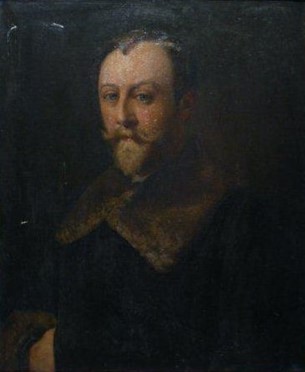
Stanislas de Grandclos, le petit fils
Musée d’Art et d’Histoire d’Avranches
Stanislas de Grandclos, le petit fils
Fils du précédent, il est né le 27 mars 1836 à Villers. Il est trésorier payeur général dans plusieurs départements français. Le trésorier-payeur général du département, comprenant le chef-lieu de région recevait le titre de trésorier-payeur général de région. Il agissait sur le terrain à la fois comme trésorier, comptable, contrôleur, conseiller économique et financier et « manager ». Il était en quelque sorte le « banquier local » de l’État et des collectivités locales.
La fonction de trésorier-payeur général était l’une des plus rémunératrices de la haute fonction publique
Il décède le 29 février 1888 à Saint Lo. Les trois générations sont enterrées dans le cimetière de Villers-Bocage mais la tombe de Pierre Jacques est pulvérisée par une bombe en juin 1944.
Sa mort entraine la vente du château en raison de lourdes hypothèques qu’il avait contracté pour ses dépenses personnelles.
1888
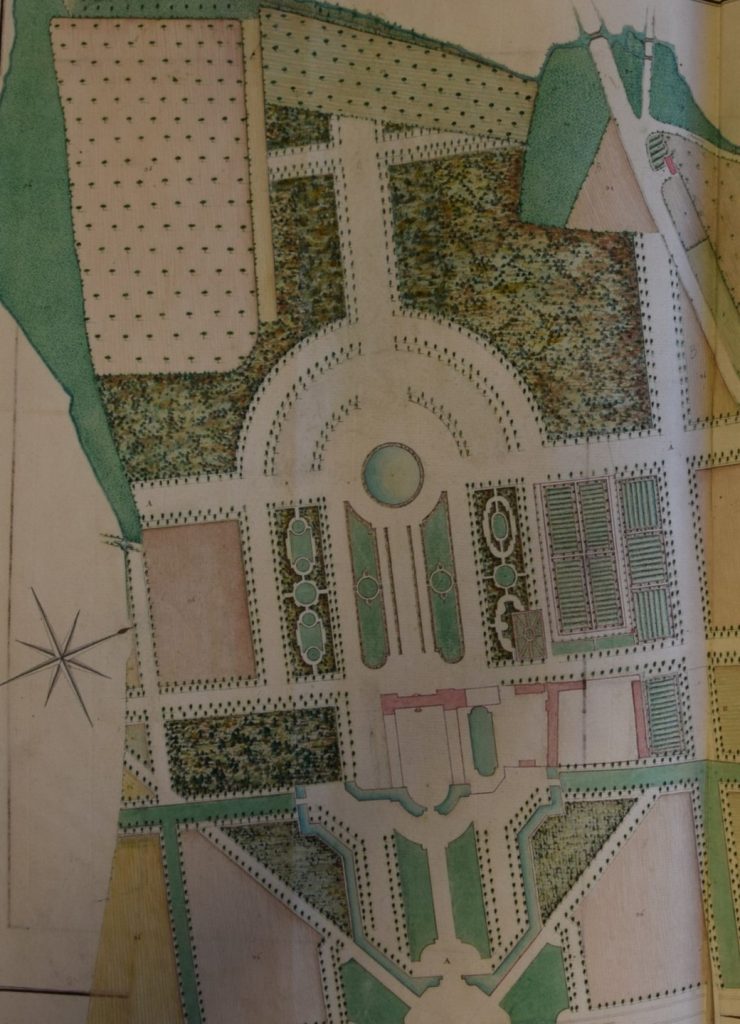
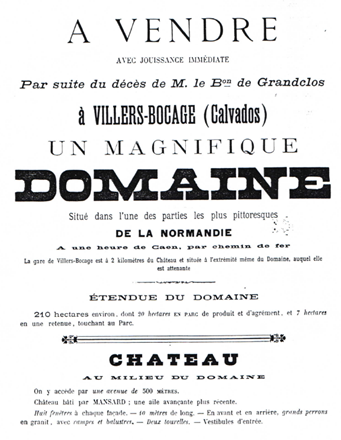
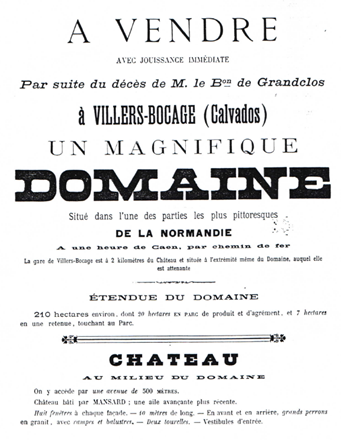
Following the death of Baron de Grandclos, the château was put up for sale. This document recording the sale of the château gives us a privileged insight into the estate and its rich and extensive gardens. The practice of M. Caquenée, notary at Villers-Bocage, attests that the château was built by MANSART and that the French-style park was designed by LE NÔTRE.
Second World War
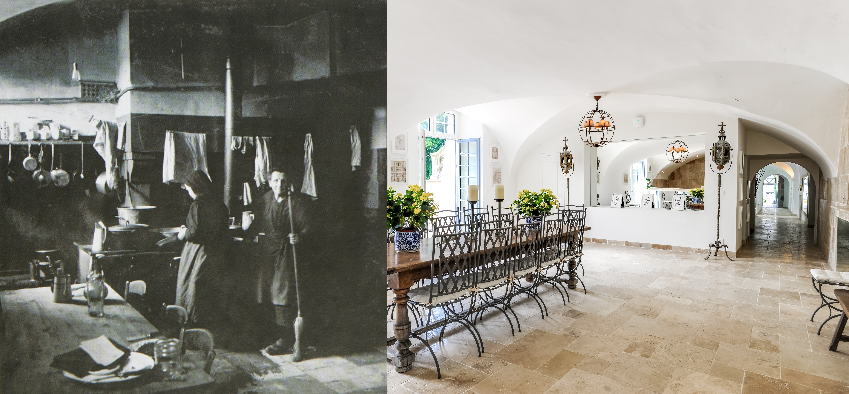
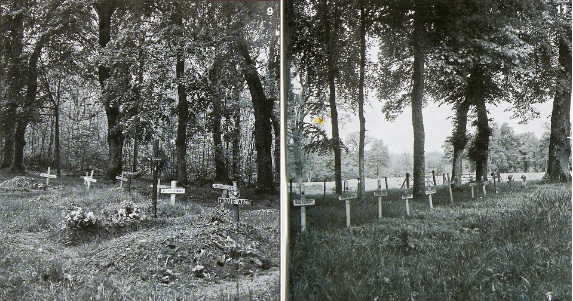
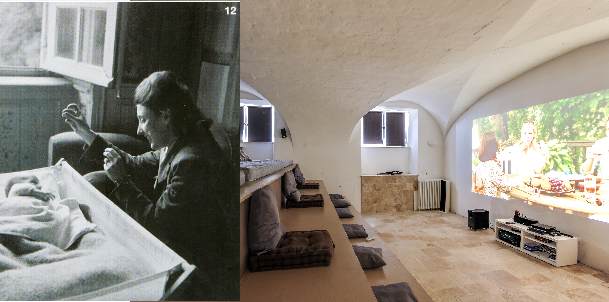
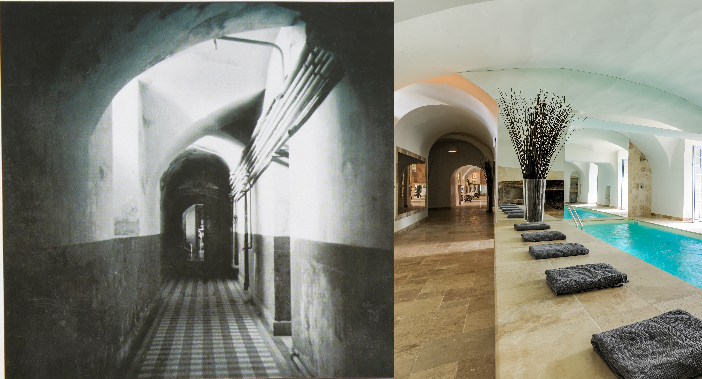
Amédée and Albertine de Clermont-Tonnerre purchased the château in 1930. He was born on 10 February 1898 in Paris 7th arrondissement, at 60 boulevard La Tour-Maubourg. In 1914, he enlisted as a volunteer and became aide-de-camp to Marshal Foch. He was awarded the Croix de Guerre 1914–1918. On 28 June 1922, he married Albertine, Countess of Mérode and of the Holy Roman Empire.
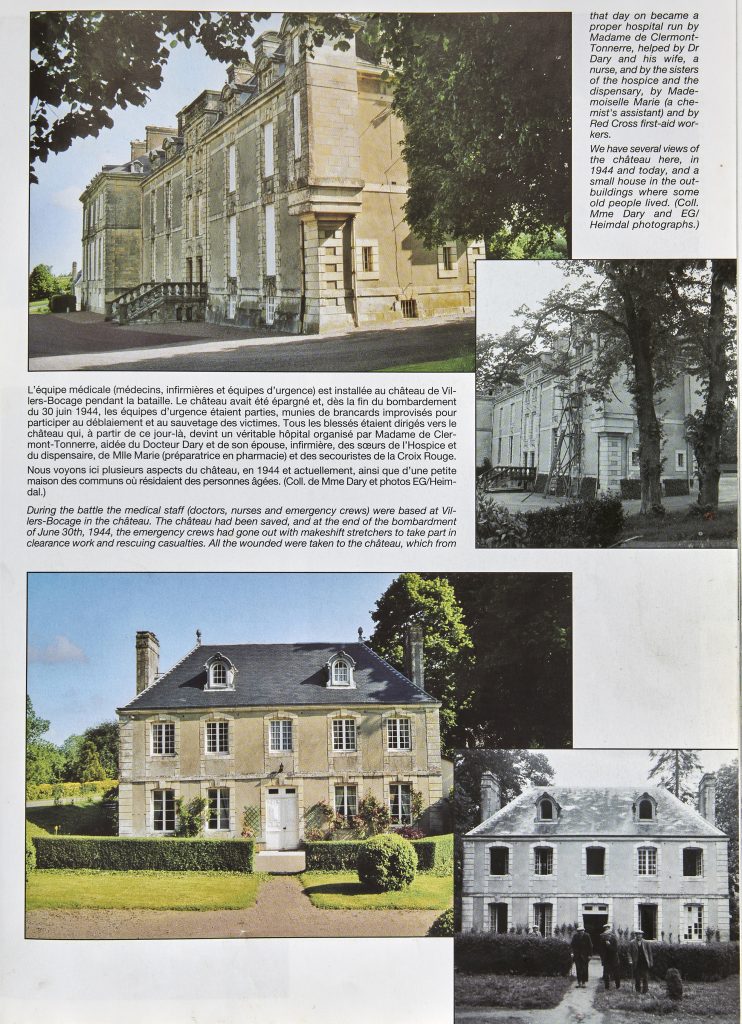
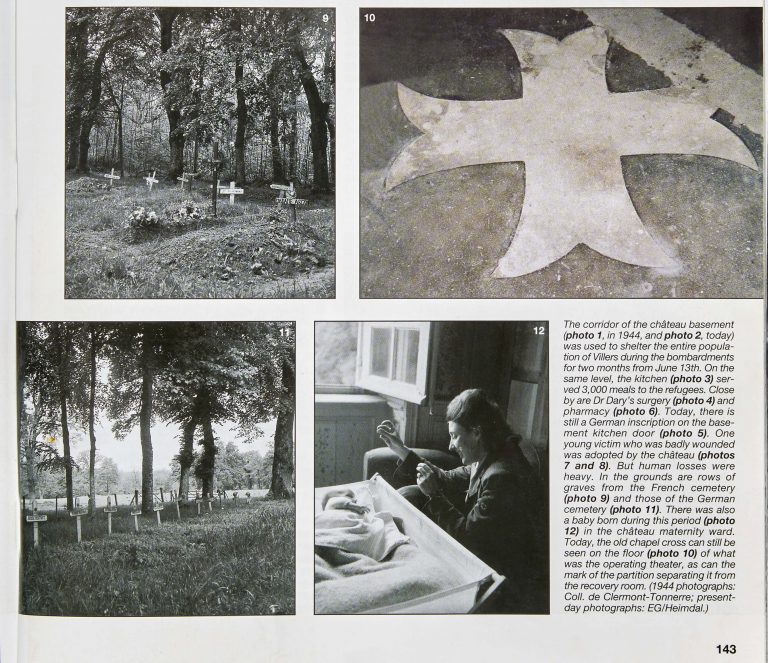
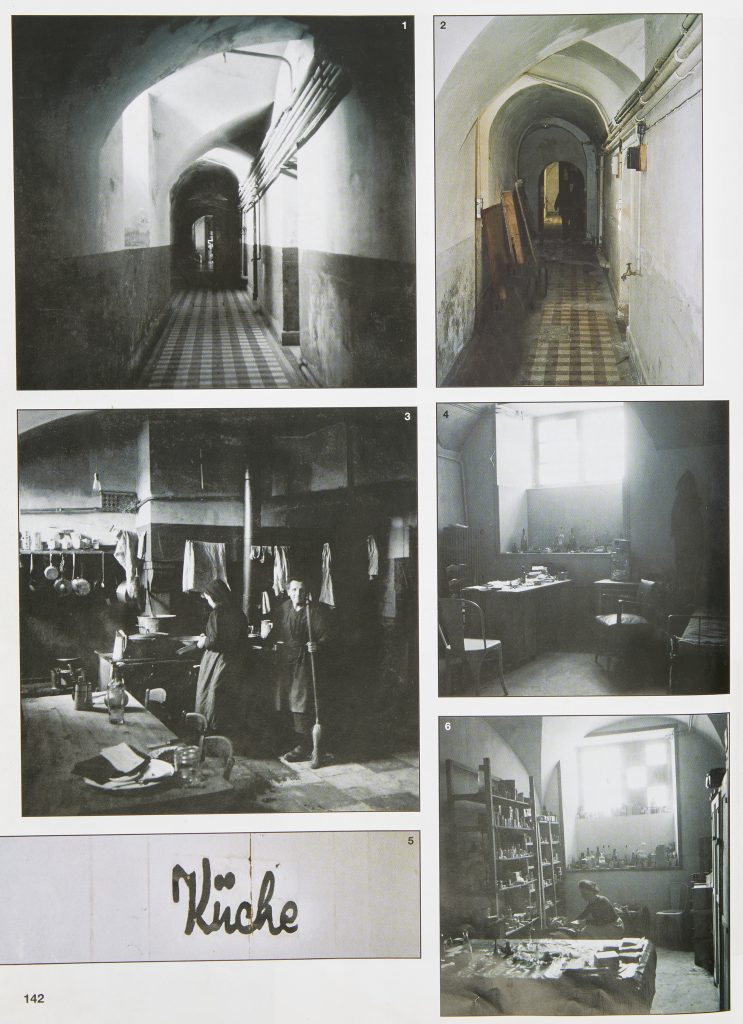
On 30 June 1944, in the late afternoon, 250 British bombers dropped 1,100 tonnes of bombs. According to Captain Boyers, the first pilot to bomb the town, the Resistance had reportedly requested the bombardment to neutralise an armoured division sheltering in the town, having assured that the inhabitants were safe inside the château. The aim was to render the crossroads impassable and prevent reinforcements from reaching the west of Caen. From this moment on, the château became a true hospital.
Mme de Clermont-Tonnerre, assisted by Dr Dary and his wife (a nurse), Mlle Marie (a pharmacy assistant), the sisters from the hospice and dispensary, and Red Cross first-aiders, received the wounded.
On 7 July, the Germans ordered the evacuation of the zone stretching from Dampierre to Mondrainville. Refugees were required to reach the area south of the Saint-Sever – Vire – Falaise line. The orders were strict: the evacuation had to be completed by midnight on 9 July, on pain of being shot. Mme de Clermont-Tonnerre found herself practically unable to comply with this order, as 200 people were living in the château. She decided to approach the German general commanding the region to request permission to keep the château open as a medical sanctuary. On the 9th she received word that her request had been granted, but she was nonetheless required to evacuate the elderly, young children and lightly wounded — around one hundred people. In this way, the zone of peace protected by the Red Cross markings on the roof was able to continue fulfilling its role. On 25 July, sensing the approach of the Allies, the Germans sought to take over the basement rooms to set up a first-aid post. The rooms were cleared, and the elderly and those able to walk left the building. 148 remained at the château, of whom a third were sick.
The Germans left on 4 August at around 1 o’clock in the morning; the Allies arrived that afternoon.
When the war ended, it became a maternity ward and saw the birth of 450 children.
On 20 July 1944, shrapnel riddled the south façade of Château de Villers-Bocage and killed three people. The impact marks are still visible today.
1950
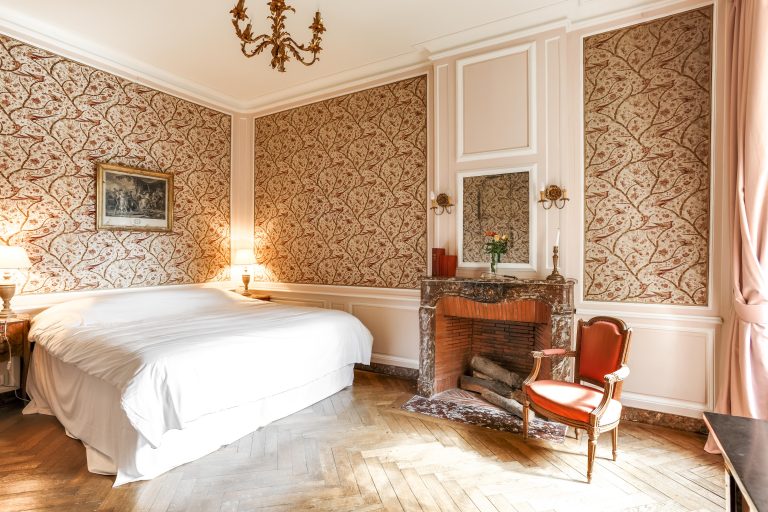
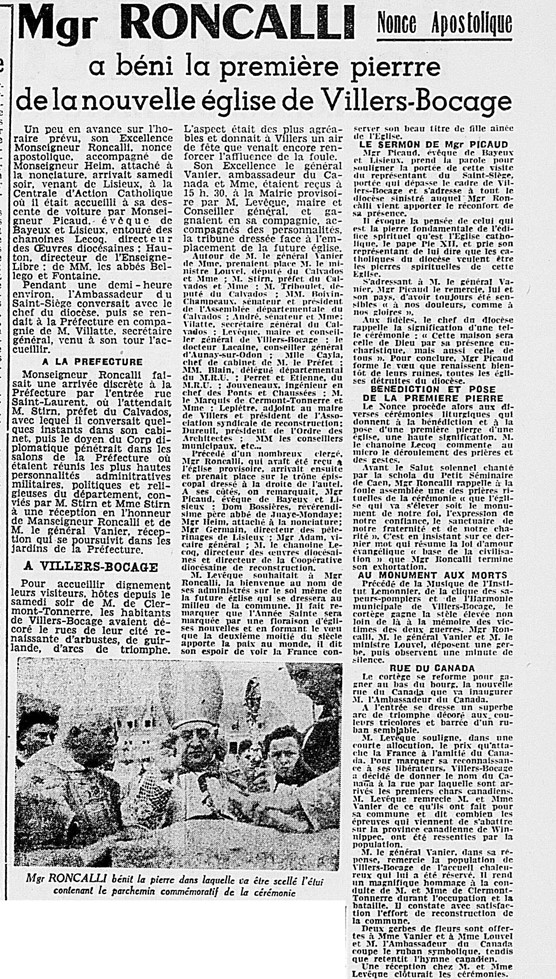
En 1950, le Nonce Apostolique et futur Pape Jean XXIII, canonisé en 2014, à séjourné une semaine au Château pour visiter la zone en Reconstruction et en bénir les nouvelles églises. Il est invité par le marquis de Clermont Tonnerre à manger et dormir au château. Aujourd’hui la suite du château où il a séjourné porte son nom (photo).